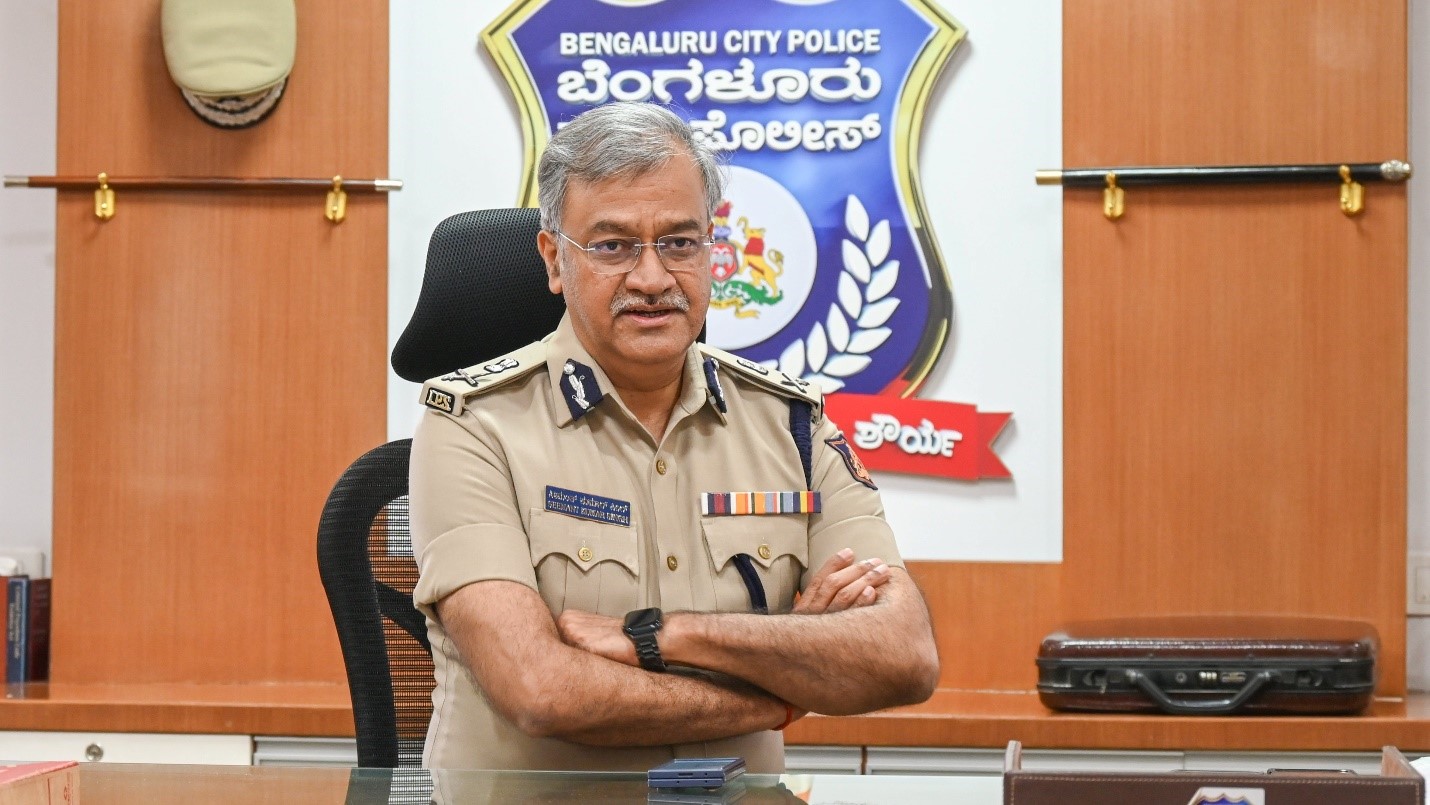
CH NEWS, BENGALURU Emphasizing that protecting female citizens goes far beyond routine law enforcement to represent a fundamental social responsibility, senior security officials, judicial members, and administrative leaders gathered in Karnataka's capital for the 3rd National Women's Conference to deliberate on modern urban safety frameworks. Hosted at the Senior Police Officers' Research and Training Institute (SPORTI) auditorium, the two-day high-level symposium was organized jointly by the Karnataka State Police, Bengaluru City Police, and the 'Parihara' organization. Centered around the theme 'Revisiting Gandhiji: Women's Safety and Security in Independent India – Deepening Sensitivities,' the conference provided a vital platform for policymakers, civil rights advocates, and law enforcement chiefs to evaluate urban infrastructure, technological interventions, community policing, and the welfare of female police personnel. Addressing the inaugural session, retired Indian Police Service (IPS) officer and Karnataka State Administrative Tribunal member Raghavendra Auradkar delivered a candid assessment of ground realities, arguing that enacting penal statutes and constructing isolated infrastructure carry little value unless execution is monitored rigorously. "Even today, a woman has to think twice before crossing an underpass, even during daylight hours. That is the reality we face," Auradkar noted. He stressed that a democracy cannot claim maturity unless women can exercise absolute freedom and independent mobility without fear. True progress, he observed, requires transforming societal mindsets starting from the domestic household and fostering profound empathy within administrative machinery. Auradkar also drew sharp attention to the systemic hurdles faced by female police personnel operating on the frontline. He called upon the state government to urgently sanction well-equipped retiring rooms, dedicated hostel facilities, on-duty childcare centers, safe night-time transport, and routine mental health counseling sessions for women officers ranging from constables to inspectors. Highlighting administrative oversights, he criticized gender disparities in tactical gear allocation—noting that equipping only male officers with body-worn cameras creates an environment of workplace discrimination—and urged the deployment of specially designed helmets, body protectors, and modern utility gear for female personnel. Furthermore, he recommended replicating Telangana’s successful 'Bharosa' model for integrated women's safety centers alongside a centralized state-level safety dashboard. Responding directly to these observations, Bengaluru City Police Commissioner Seemant Kumar Singh outlined the comprehensive measures undertaken by the municipal department, declaring that the city accords paramount priority to female safety and security.
City Police Commissioner highlights Bengaluru's 'Safe City' rankings
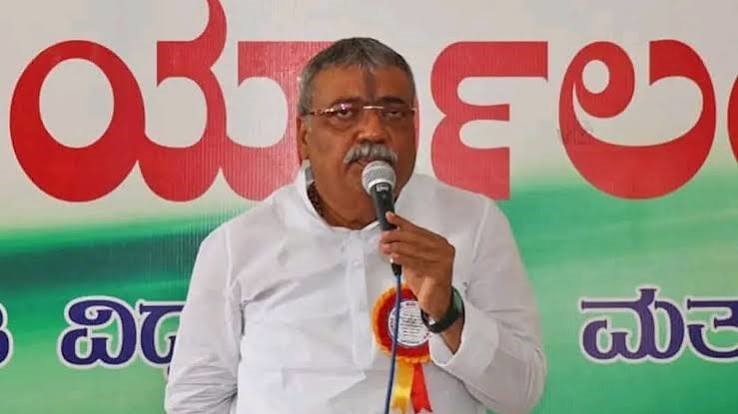
Senior security and judicial officials gathered at the 3rd National Women's Conference in Bengaluru to deliberate on urban safety frameworks and female police welfare.