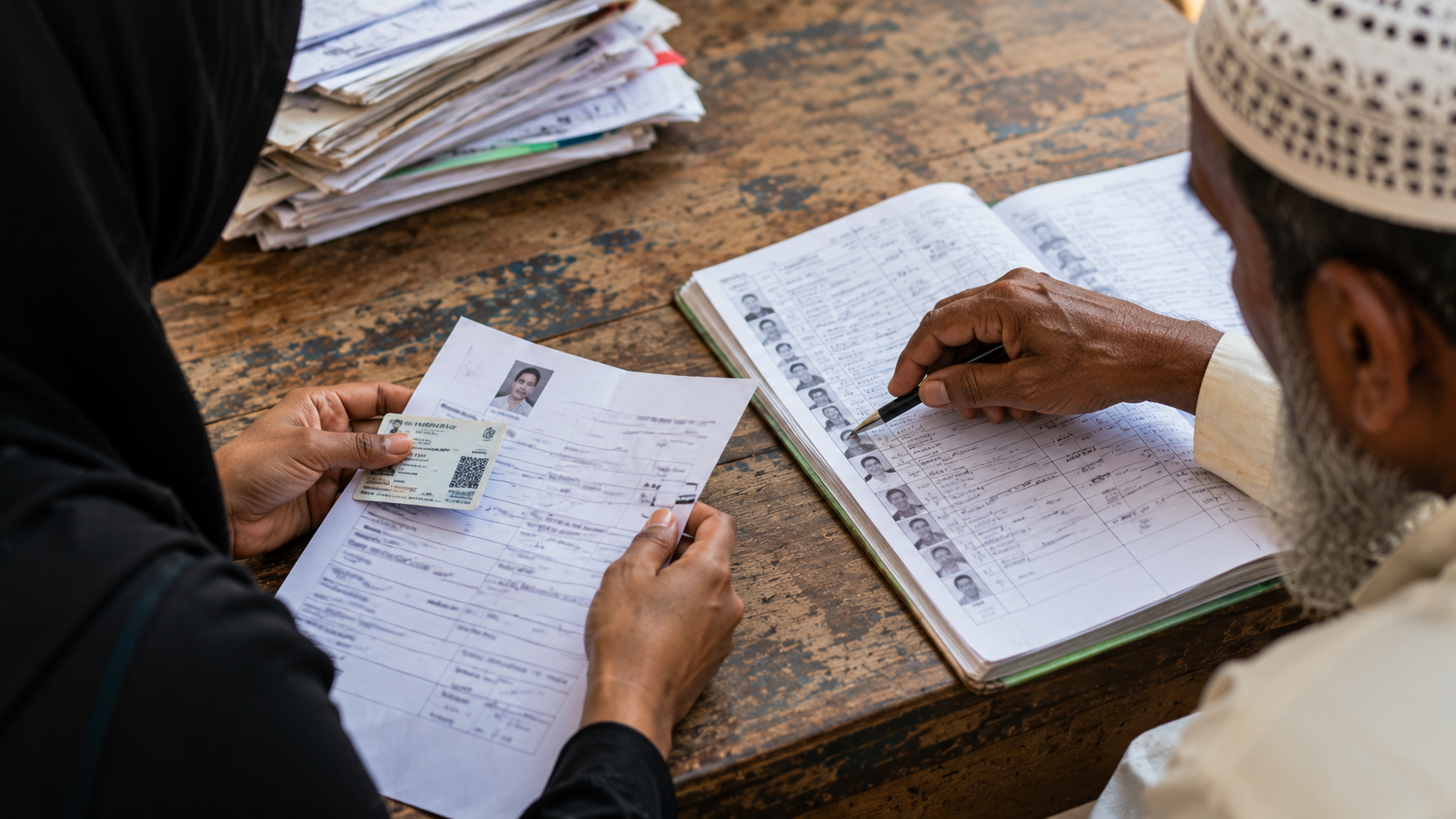
CH NEWS, BENGALURU As the comprehensive Special Intensive Revision (SIR) of electoral rolls moves forward across Karnataka, election officials have urged citizens who receive official verification notices to remain calm and follow structured remedial procedures. Representing the first large-scale structural revision of voter registries since 2002, this routine administrative drive aims to clean up database records, eliminate duplicate registrations, and seamlessly incorporate newly eligible demographics ahead of the final electoral roll publication scheduled for October 27, 2026. The Special Intensive Revision is a rigorous administrative exercise instituted by the Election Commission of India to guarantee absolute accuracy across urban and rural voter databases. With initial public objections and institutional cross-verifications having concluded on September 23, notices have been dispatched across major metropolitan sectors—including approximately 4.5 million notices issued in Bengaluru alone, of which over 1.3 million have already been successfully resolved through targeted hearings. Historical Baseline Mismatches: Discrepancies arising when current demographic information fails to reconcile smoothly with foundational records from the 2002 electoral roll archive. Clerical and Submission Errors: Inconsistencies or omissions resulting from improperly filled particulars during past data collections handled through Booth Level Officers (BLOs). Identity and Documentation Variations: Minor or major discrepancies between a voter's declared identity parameters and supporting legal documentation, such as spelling variations in names, parental names, or age declarations. With the formal window for initial claims and objections having closed, the electoral administration has established an extended corrective window through October 24, 2026, during which citizens can submit fresh applications or clarify pending discrepancies before the final roll is unveiled on October 27. Voters attending verification hearings or submitting paperwork to designated Electoral Registration Officers (EROs) are advised to carry a comprehensive set of verifying credentials, including official photo identification (such as an [Aadhaar Redacted] card or passport), secondary school leaving certificates (SSLC marks cards) for age proof, current passport-size photographs, and verifiable residential proof such as a registered rental agreement or utility bill. In instances where a registered voter is temporarily unavailable due to out-of-state employment or overseas travel, authorized family members may appear before local EROs with requisite authorization and documentation to safeguard the voter's franchise, ensuring full democratic participation across the state.
Navigating electoral notices: Essential guide for voters