Public complaints now under Karnataka Sakala Act
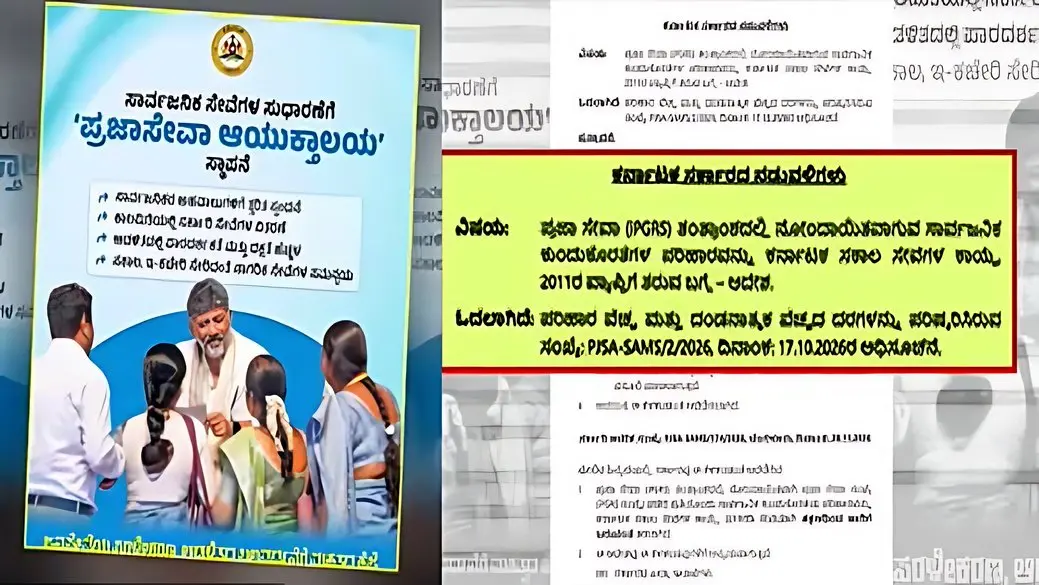
BENGALURU: The Karnataka government has brought public complaints filed on the Praja Seva portal and allied citizen channels under the Sakala Act with immediate effect, setting a 21‑day deadline for resolution and imposing penalties of up to ₹1,500 for delays or false filings.
Issued following a State Cabinet decision, the government order covers grievances submitted not only through the Praja Seva portal but also via the state helpline 1902, WhatsApp, social media platforms, and public meetings. Praja Seva Department Principal Secretary Harsh Gupta noted in a press release that a complaint will be marked resolved only after due inquiry, disposal on merits, and uploading of an Action Taken Report on the portal.
To spare citizens from making repeated rounds of government offices, authorities have structured a 21‑day resolution window divided into three stages. Under an automated technical workflow, any complaint left unresolved by the initial officer within 21 days escalates automatically to the second-level appellate authority, and then to the third-level appellate authority if still unsettled. The initiative aims to strengthen administrative transparency, speed up citizen service delivery, and enforce clear accountability across state departments, boards, corporations, and local bodies.
Under the amended Sakala framework, officials who cause unnecessary delays or wrongfully reject genuine applications face compensatory deductions of up to ₹1,500 recovered directly from them. The graded compensation structure rises from ₹20 a day for delays of one to five days up to ₹100 a day after 20 days, capped at ₹1,500.
At the same time, the order guards officials against harassment by introducing a ₹1,500 fine on citizens found guilty after inquiry of filing false or malicious complaints. Repeat offenders face an additional ₹1,500 penalty per application, with unpaid fines recoverable as arrears of land revenue.
For residents across Karnataka seeking timely fixes for civic, revenue, or welfare grievances, binding deadlines and automatic escalation offer stronger recourse while discouraging frivolous filings.