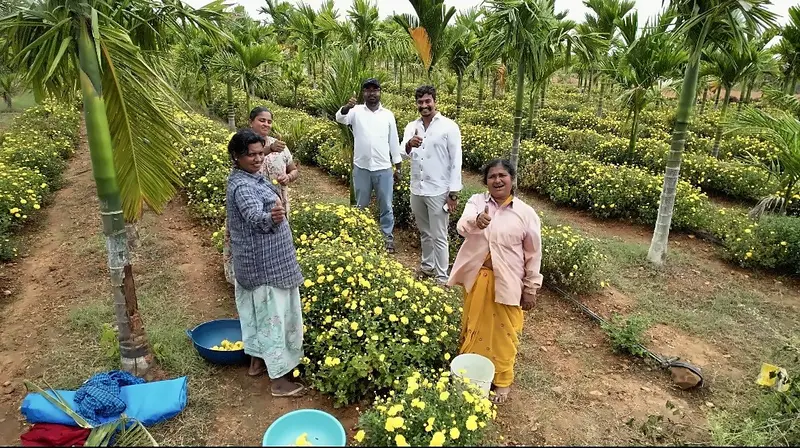
Raichur farmers turn to horticulture amid drought
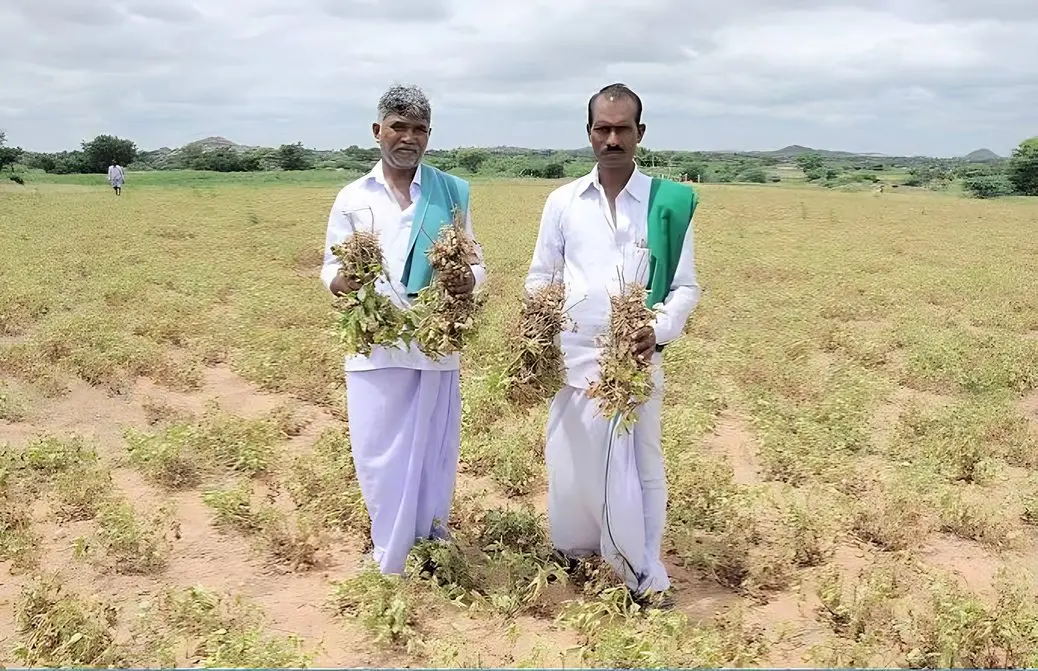
RAICHUR: Horticulture is expanding in Raichur as farmers seek alternatives to traditional crops amid repeated droughts and uncertain rainfall.
According to the Horticulture Department, the area under horticultural crops has increased from 22,653 hectares in 2020‑21 to around 26,000 hectares.
Farmers are turning to perennial fruit crops in areas irrigated by the Krishna and Tungabhadra rivers and in suitable areas dependent on rainfall. Mango, lemon, sweet lime, pomegranate and papaya are grown alongside chilli, onion and tomato.
Experts say ber, custard apple, amla, tamarind, fig and guava can suit areas receiving little rain. Pomegranate can be cultivated with drip irrigation and proper crop management. Drip irrigation and mulching also help reduce water use in guava cultivation.
Agricultural scientists advise farmers to select crops based on soil conditions and available water. Guava, sapota and banana occupy smaller areas than several other major fruit crops. Water availability remains a key factor in planning crop choices.
Horticulture Deputy Director Mohammed Ali said inadequate rainfall had encouraged farmers to adopt perennial crops. He urged them to use government support for drip irrigation and reduce reliance on crops requiring more water.
Separately, NABARD’s District Development Report for 2026‑27 lists horticulture on 10,253 hectares, with estimated annual production of 2.26 lakh tonnes.
Mulberry cultivation covers over 870 hectares. Across 140 villages, 806 farmers practise sericulture, producing around 288 tonnes of cocoons annually.