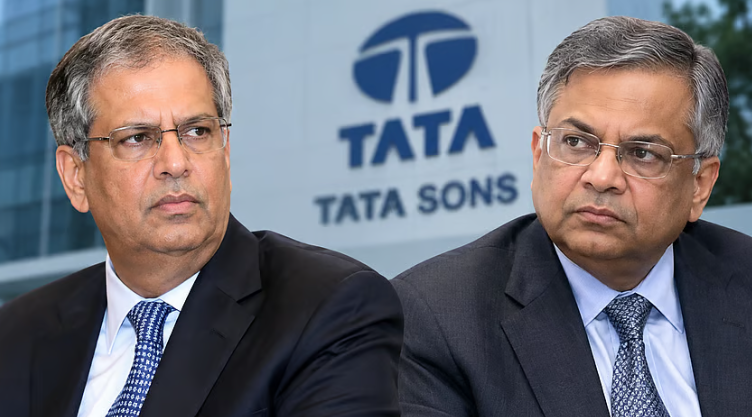
Mumbai A dispute over leadership and control at Tata Sons has placed the future structure of India’s Tata Group under scrutiny. The disagreement involves Tata Trusts chairman Noel Tata, Tata Sons executive chairman N Chandrasekaran and differing views among directors representing the trusts. At issue is Chandrasekaran’s reappointment, a possible stock market listing of Tata Sons and how the Shapoorji Pallonji Group, its second-largest shareholder, could obtain liquidity from its holding. The questions reach beyond one boardroom decision because Tata Sons is the holding company at the centre of the group. Tata Trusts is the controlling shareholder. Noel Tata objected to Chandrasekaran’s proposed reappointment and to listing the company, while another trusts-nominated director, Venu Srinivasan, took a different position. The Tata Sons board voted to proceed with the proposals, setting up disagreement over how much authority its largest shareholder should have in such decisions. Listing has become a central concern after the Reserve Bank of India rejected Tata Sons’ request to deregister as a non-bank finance company. Tata Sons has said it would take steps to comply with regulatory requirements. Noel Tata has argued that a listing could change the character of a group whose trusts support extensive philanthropy. Governance advisers, however, have called for greater transparency at a company of this size. The Shapoorji Pallonji Group has long sought a way to unlock the value of its Tata Sons stake. A listing could provide one route, while an alternative proposal has also been discussed. Any solution would need to address the interests of shareholders alongside regulatory obligations. The disagreement has renewed attention on the balance between the trusts’ ownership, the holding company’s board and management’s freedom to make decisions. It could yet become a legal dispute. The outcome may decide who controls leadership choices and whether Tata Sons remains private.
Tata Sons leadership dispute raises listing questions
Noel Tata opposed Chandrasekaran’s reappointment and IPO plans, whereas trusts-nominated director Venu Srinivasan held a contrasting view.